











 AI/ML
AI/ML  Rozwój oprogramowania




Creation of a Functional Prototype to Enhance Patient Care

Client
Sano Science is an International Research Institute dedicated to the advancement of computational medicine. They are developing sophisticated computer methods for preventing, diagnosing, and treating diseases in order to meet the worldwide need for efficient, effective, and streamlined healthcare.
Challenge
The project’s main goal is to develop tools to improve the quality of patient treatment using so-called QR quality registries. The starting point for data collection is the development of a wizard allowing the creation of on-demand medical registries to store all information about various patient conditions.
The creation of a tool with the help of the latest technology would impact the development of medicine and the faster diagnosis of patients. The project’s challenges include analyzing a massive amount of patient data, migrating the system to the cloud, and protecting patient privacy.
Solution
Development of a functional concept
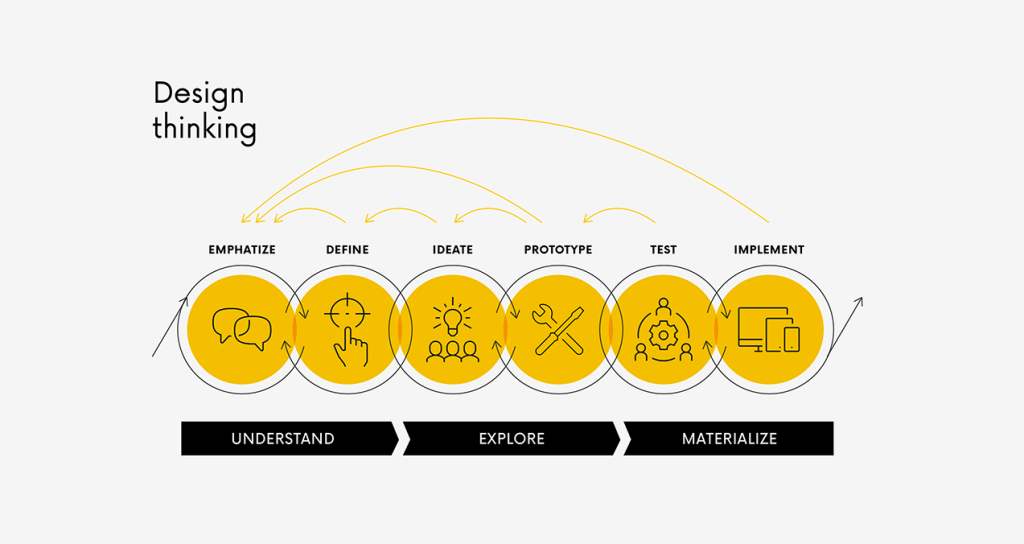
We kicked off the project by conducting Product Discovery workshops, leveraging Design Thinking and Event Storming methodologies to deeply understand both user requirements and the flow of business processes. By applying these techniques, the business and technical analysis becomes more comprehensive, ultimately resulting in solutions that are better aligned with the real needs of end users.
- During our Design Thinking workshops, we collaborated closely with the client’s stakeholders to discuss the gathered insights—focusing specifically on the end-user’s perspective. We believe that a deep understanding of the user’s needs is essential for building an innovative solution that truly addresses their challenges. In this phase, we validated the initial assumptions from our earlier needs analysis to define the project’s core requirements and constraints.
- We also focused on thoroughly analyzing and modeling complex business processes. We used domain-specific tools to identify key events within the business context and to understand how these events impact the overall system. This allowed us to develop an initial functional concept for the product.
In the subsequent stages, we delivered the following:
- Three main UI mockups (screen wireframes), beginning with the design of a wizard that includes templates for various registers. The client placed strong emphasis on the front-end, aiming to ensure the application would be user-friendly, intuitive, and flexible. Ultimately, the goal is to create a system that can be easily configured by non-technical users without requiring software development expertise.
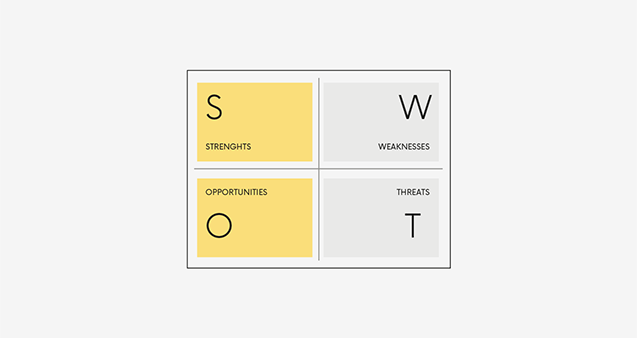
- A SWOT analysis of selected technologies to recommend the most suitable tech stack for the client’s needs. Our key focus was on selecting market-leading technologies that are both maintainable and scalable.
- We conducted a cloud infrastructure analysis, as the system will handle a large volume of data collected from various medical and non-medical entities. However, due to data security requirements, sensitive information must remain on the organization’s internal servers at the hospital level. At higher levels—national or European—data will be anonymized to ensure compliance and privacy.
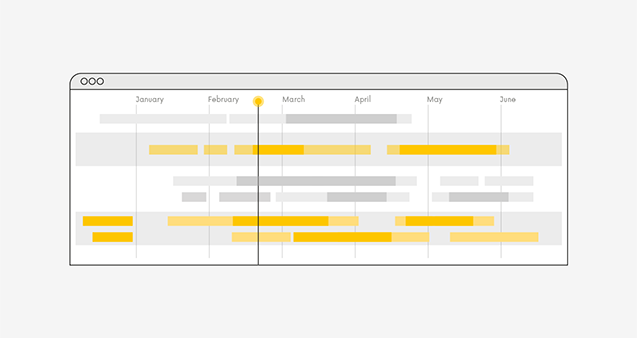
- We also developed a project roadmap, which included a detailed Work Breakdown Structure (WBS) to define the project scope. We outlined the initial development steps, created a full project timeline, and identified key milestones using Gantt charts.
As a result of these workshops, we developed and aligned a common glossary of terms, documented each system module along with their interdependencies, identified user roles and personas, and outlined both functional and non-functional requirements—including considerations such as performance, security, usability, and accessibility. We also created an initial draft of the system architecture.
Result
We prepared a comprehensive project documentation package, which included a cost estimation for individual system components, a detailed description of functional and non-functional requirements, a risk register, and the full project roadmap. The result was a multi-page, in-depth document that serves as a solid foundation for initiating the development phase.
Project Objective
The main objective of the project was to develop tools that support improving the quality of patient care, based on so-called Quality Registries (QR). The starting point for collecting such data was the design of a wizard that enables the creation of custom medical registries on demand, where comprehensive information about various patient conditions can be stored.
This solution would be particularly useful in scenarios such as medical case conferences, where doctors need a structured overview of a patient’s condition, treatment type, and related details. Building such a tool using the latest technologies could have a significant impact on advancing medicine and accelerating patient diagnoses.

From the client
The quality of services provided was at the highest possible level. Innovation and proactivity were noticeable throughout the cooperation. The team was competent and professional, which contributed significantly to the successful course of the project.

Technologies


Client


Dedykowany system diagnostyczny dla nauczycieli polskich szkół
Design, Development, DevOps czy Cloud – jakiego zespołu potrzebujesz, aby przyspieszyć pracę nad swoimi projektami? Porozmawiaj o swoich potrzebach z naszymi specjalistami.
Jakub Orczyk
Członek zarządu / Dyrektor sprzedaży
Zamów bezpłatną konsultację